Marvellous Mangalitsas
On my ride yesterday, I stopped to say hello to a cat in Thorncombe St. and got chatting to her lovely owner, who kindly told me about a real gem that I’d unknowingly ridden near to but missed (had always taken the turnoff right before). Gate Street Barn is a wedding venue on the Wintershall Estate (which I knew, though I didn’t realise that it’s part of the estate) and a rare breed farm (which I didn’t know), as well as being part of an exciting conservation project (covered in my next blog post). I was heading in the other direction on my ride, but after hearing about the creatures they’re farming/ hosting, I turned round and went straight there.
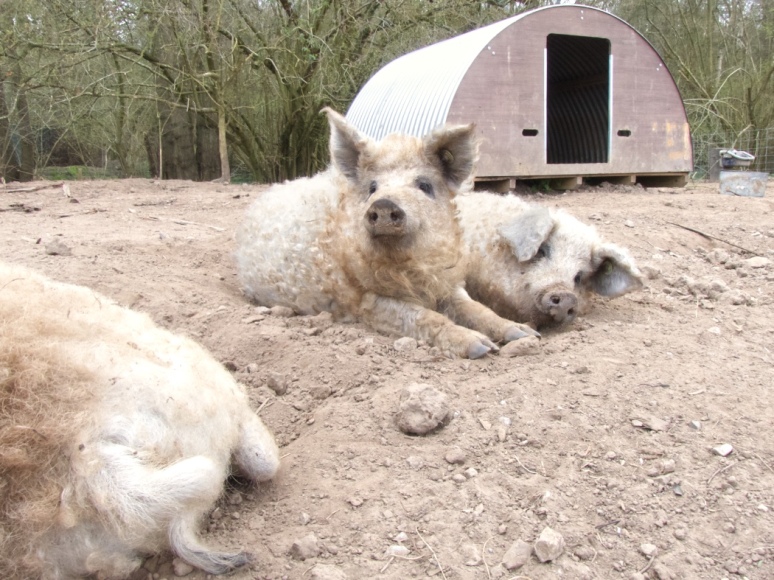
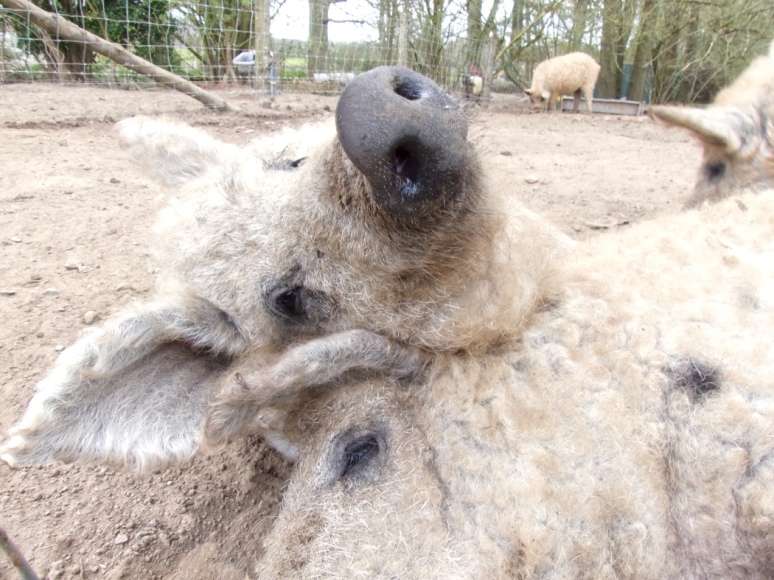
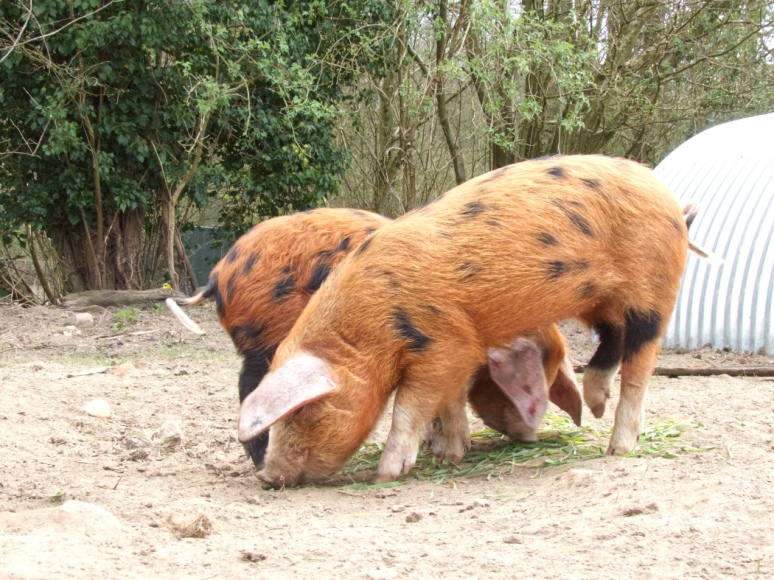
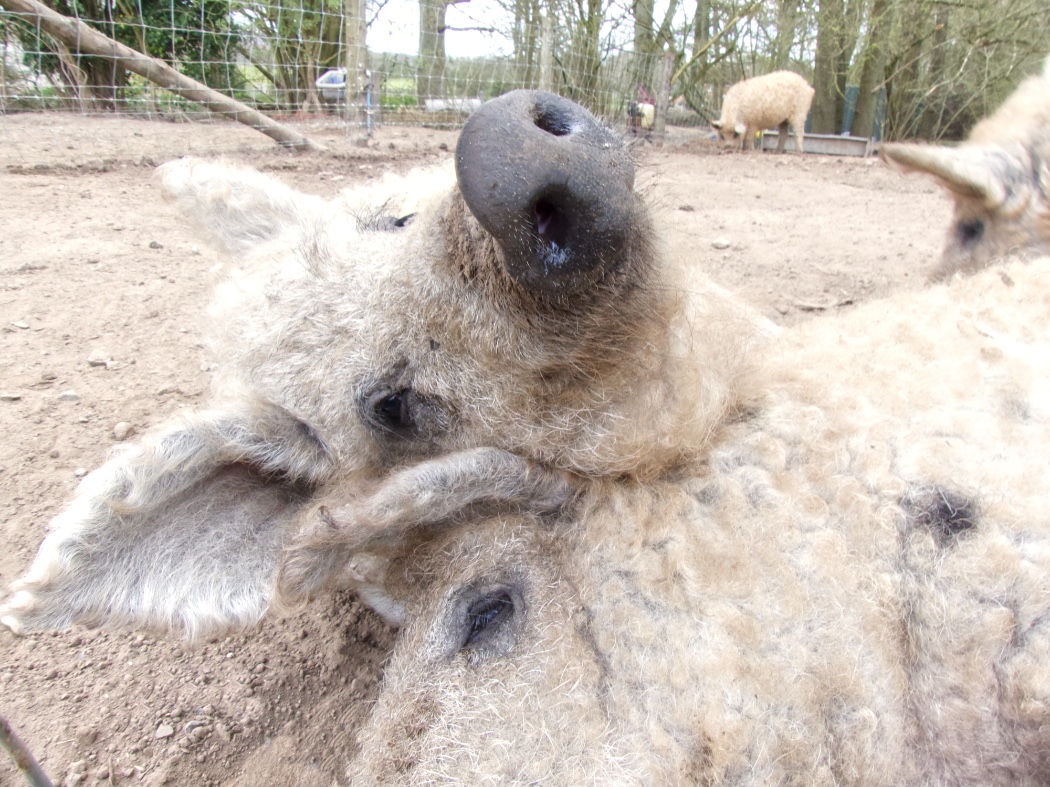
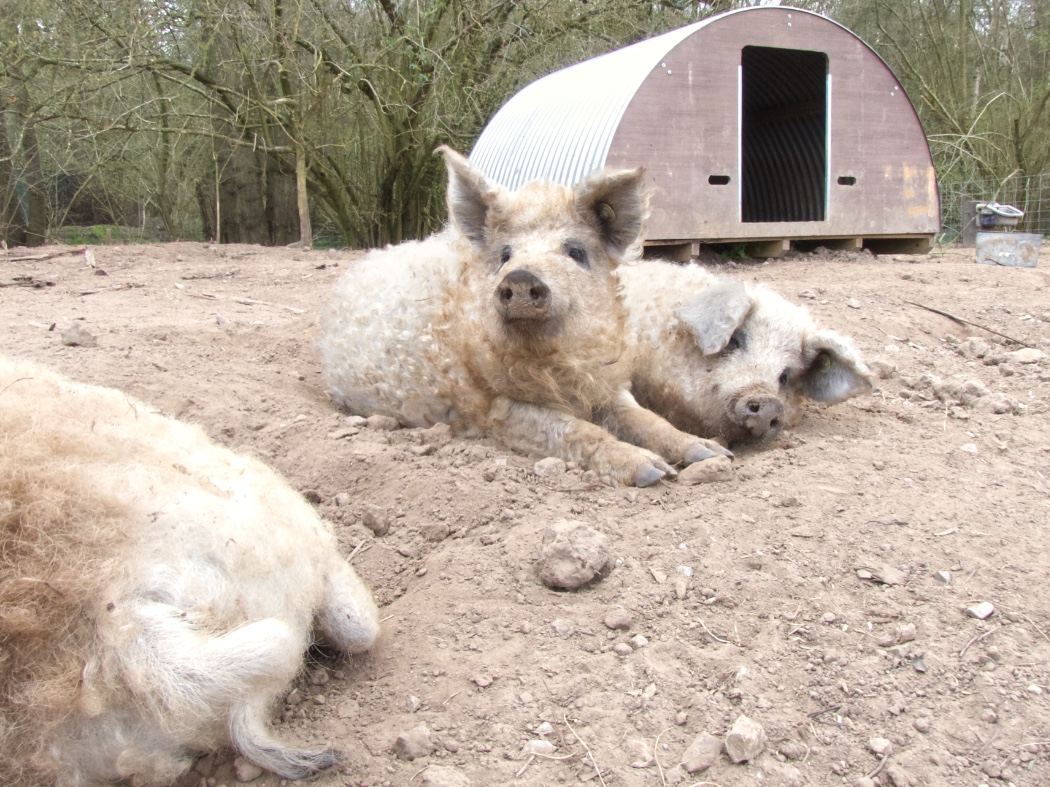
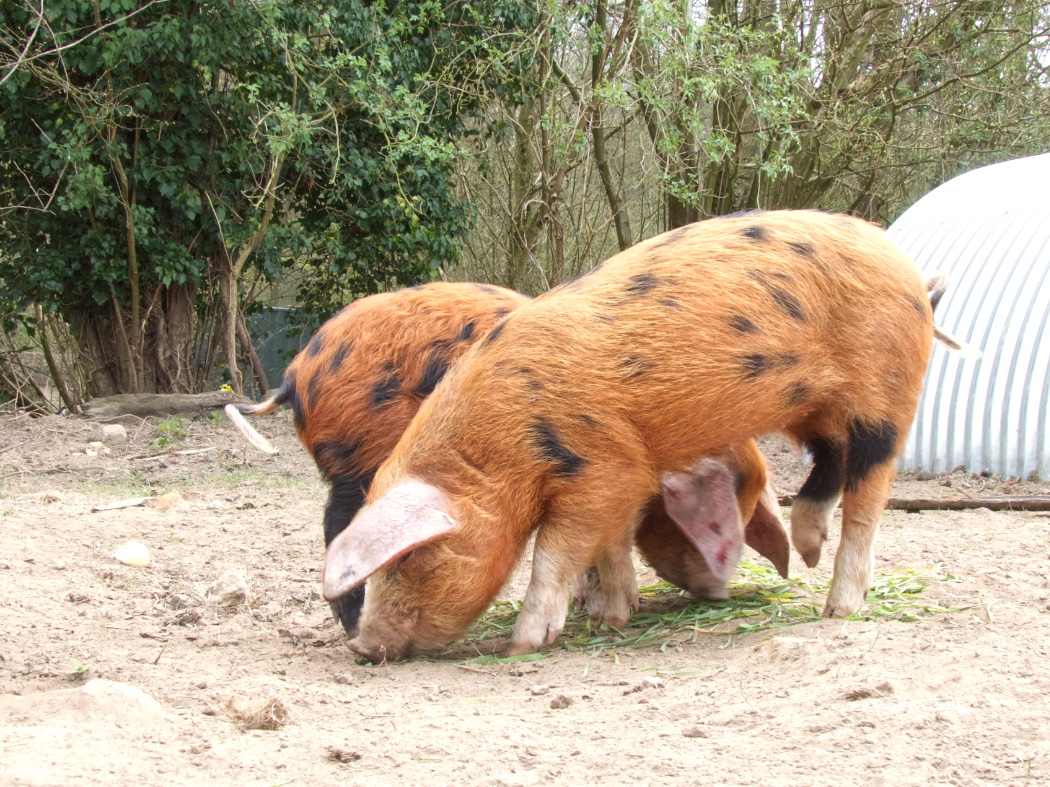
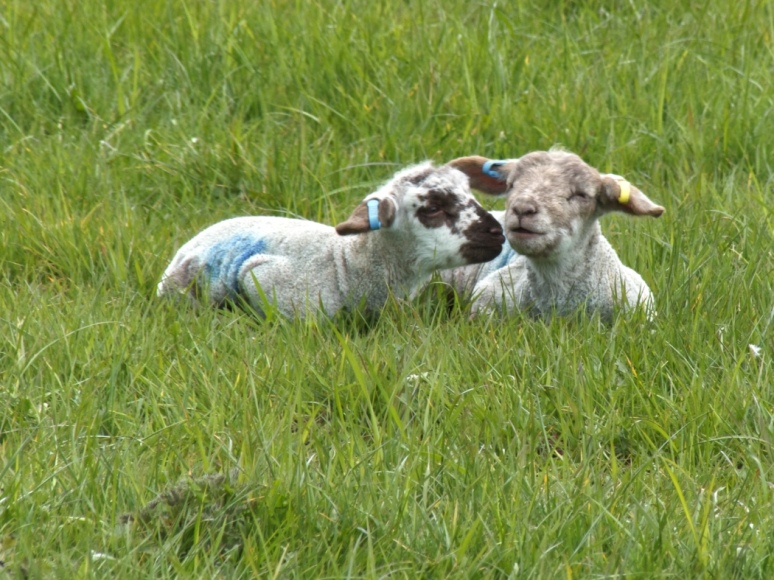
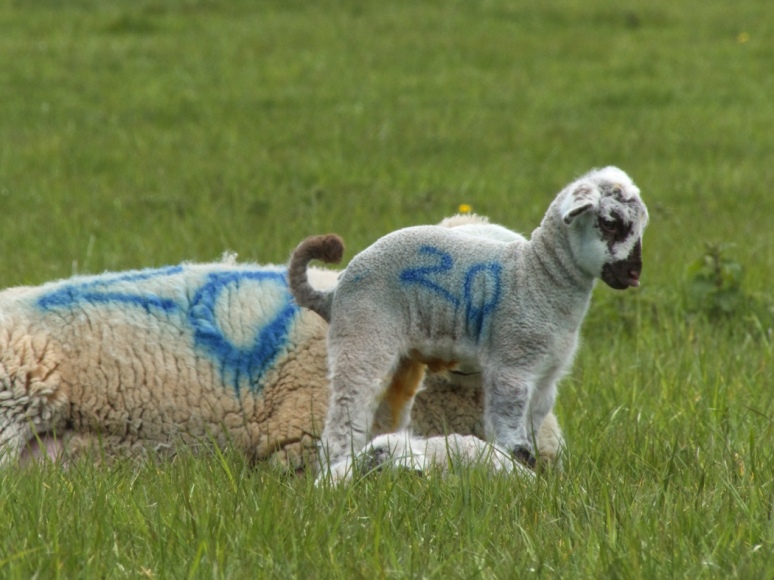
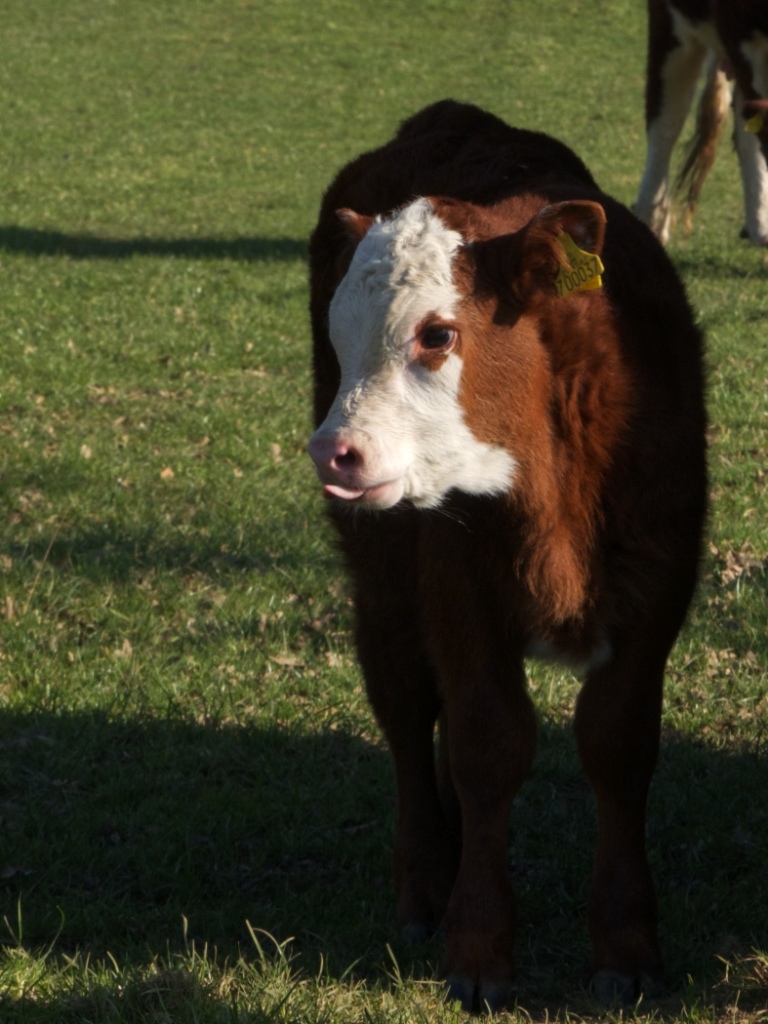
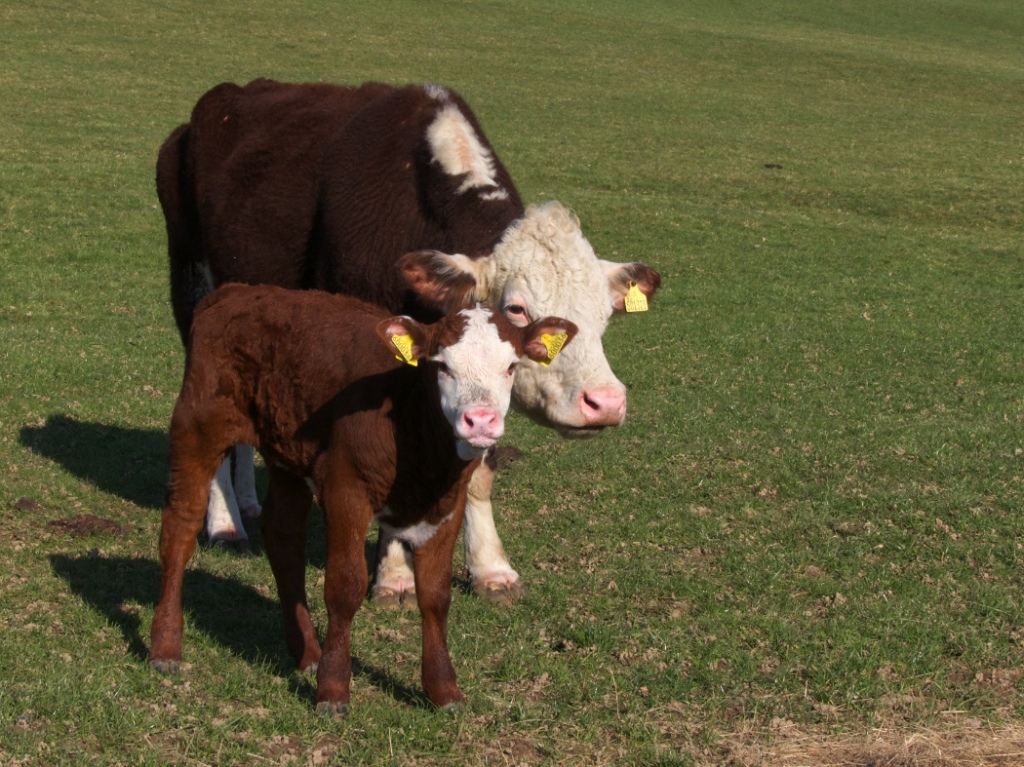
They have tiny lambs, longhorn cattle and very cute piglets, but the ones I feel utterly in love with were the four young Mangalitsa pigs. Mangalitsas are a Hungarian breed, known colloquially as pig-sheep due to their curly, wooly coats. They’re a slow developing, fatty (‘lardy’) breed, who produce characteristic, gourmet pork that’s marbled with fat and apparently has an amazing flavour. I’ve read about them before, but never met one, and what bowled me over with these was that they were very curious and keen to interact. I ended up sitting in the dirt for an hour (hope nobody minded!) with my camera, giving them a bit of love through the fence. I started off (as one always should) with great respect and caution about keeping my hands well out of reach of nibbling mouths, but quickly discovered that a friendly shoulder-scratch led to them stretching their front legs forward and their rear legs back, before keeling over onto their side and exposing their tummies; like dogs soliciting a belly rub. It would have been unkind not to… so here is the resulting footage – not great quality as I often needed two hands to fuss two pigs, and was more concerned with keeping them content than with the filming. 😄 I am now having to be sternly dissuaded from immediately launching myself into a new career as a Mangalitsa pig farmer.
Gate St. Farm have just ‘soft launched’ – which I think means that there isn’t an actual shop but you can order online/over the phone and collect or have stuff delivered – their farm shop. We’re using that as an excuse to go back tomorrow and give more belly rubs to wooly pigs (and hopefully buy some of the meat that results from their happy free-range lives).







 The Foraging Photographer